
Building a new home in Canberra looks different today than it did even three years ago. The ACT now has some of the most forward-looking building standards in Australia, and they affect everything from your floor plan to your hot water system.
As an HIA award-winning new home builder in Canberra, we walk clients through these rules on every project. Here's a plain-English guide to the requirements that will shape your build in 2026, and why they're good news for the home you'll live in.

1. Every new home must meet a 7-star energy rating
Since January 2024, new homes in the ACT have had to achieve the equivalent of a 7-star rating under the Nationwide House Energy Rating Scheme (NatHERS). The rating measures how much heating and cooling a home needs to stay comfortable, based on its design, orientation, insulation, glazing and materials.
For Canberra's frosty winters and hot summers, a 7-star home simply feels better: warmer mornings, cooler afternoons and lower power bills.
What it means for your build:
Orientation matters. Living areas facing north make the most of winter sun.
Glazing choices (double glazing, thermally broken frames) have a big impact on the rating.
Insulation, sealing and eaves are designed in from day one, not added at the end.
The good news? A well-designed modern home can hit 7 stars without compromising on big windows, open-plan living or architectural style. It just takes careful planning with your designer and builder.
2. New homes are all-electric
From 8 December 2023, new homes in most of the ACT can no longer be connected to the gas network. In practice, that means new Canberra homes are all-electric.
What it means for your build:
Cooking: induction cooktops are now the standard, and they're fast, precise and easy to clean. Many of our clients say they'd never go back.
Heating and cooling: reverse-cycle systems or hydronic heating with heat pumps replace gas heaters.
Hot water: heat pump hot water systems are efficient and pair well with rooftop solar.
Fireplaces: if you love a fireplace feature, electric and bioethanol options can give you the look and warmth without gas.
An all-electric home paired with solar panels and, if you choose, a home battery can significantly cut running costs over time.

3. Liveable housing design is now built in
Alongside the energy changes, the ACT adopted the Livable Housing Design Standard for new homes. The aim is for homes to be easier to live in at every stage of life, whether you're juggling prams, recovering from an injury or planning to stay in your home long term.
What it typically means for your build:
A step-free path from the street or parking to the entry
At least one step-free entrance door
Wider internal doors and corridors on the entry level
A toilet on the ground floor designed to be accessible
A shower that's step-free and reinforcement in bathroom walls for future grab rails
These features are subtle when designed well. A level threshold or a wider hallway reads as generous and luxurious, not clinical.

4. Approvals: plan early
Every new home needs building approval from a licensed building certifier, and some blocks also need a development application, depending on the site and the design. Overlays such as bushfire zones, heritage areas or easements can add steps.
Our advice: talk to your builder before you lock in your design. Small changes at the concept stage can save weeks in approvals and thousands in cost.

How Kolak Living can help
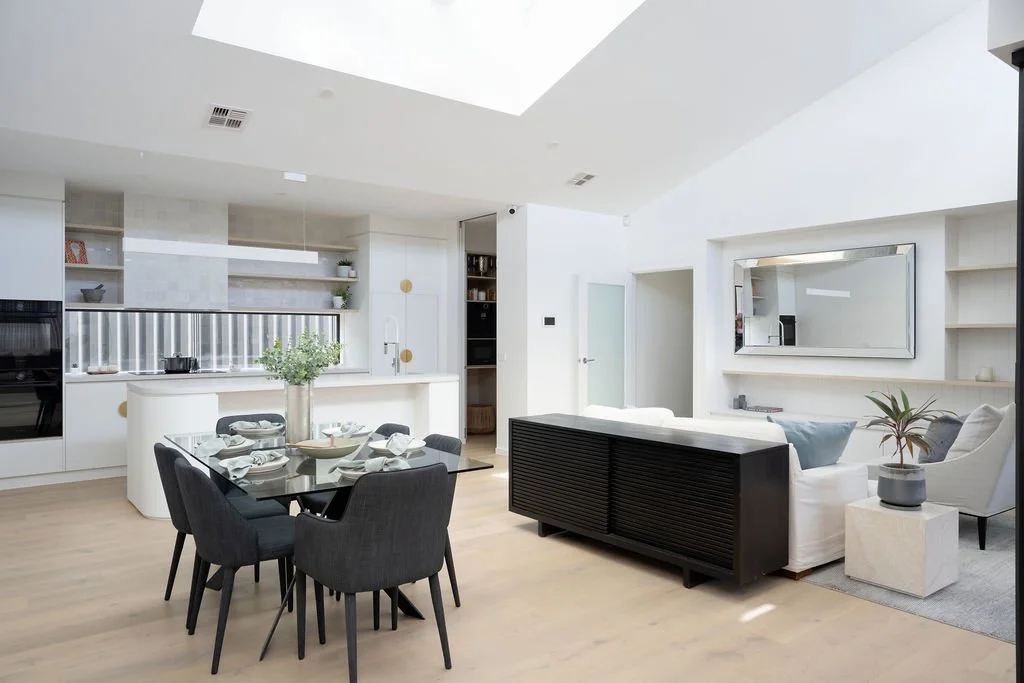
Whether you're planning a custom home, a knockdown rebuild or tailoring one of our existing designs, we build to these standards on every project. Our display homes in Whitlam show what a modern, energy-efficient, all-electric home looks and feels like in real life.

See our completed projects
Read about our HIA and MBA awards
Visit our display home or get in touch to talk about your build
This article is general information only. Requirements can change and vary by site, so always confirm the details for your block with your builder, certifier or the ACT Government.
